

How Much Does Bespoke Jewellery Cost? 7 Factors That Shape the Final Price
Bespoke jewellery offers the opportunity to create a piece that reflects your personal style, preferred gemstones, and individual story. From a diamond engagement ring designed around a meaningful moment to a personalised gold necklace or a distinctive bridal set, bespoke jewellery gives you greater control over the final design than simply choosing an existing piece.
But how much does bespoke jewellery cost?
The cost of bespoke jewellery depends on the materials, gemstone quality, metal weight, design complexity, craftsmanship, personalisation, and applicable taxes. A simple customised pendant may require a relatively modest budget, while an elaborate diamond necklace or bespoke bridal set can cost significantly more.
The good news is that bespoke jewellery can be planned around your preferences and budget. Understanding how the price is calculated helps you decide which features matter most and where you can make practical adjustments without losing the essence of your design.
In this guide, we explore seven factors that shape the final price of bespoke jewellery, explain how to compare quotations, and share tips for getting the best value for your money.
What Is Bespoke Jewellery?
Bespoke jewellery is created specifically for an individual, either from an original concept or by adapting an existing design. The process may involve selecting the metal, choosing diamonds or coloured gemstones, discussing design details, reviewing visual concepts, and approving the final piece before it is crafted.
Unlike ready-made jewellery, which is already manufactured, bespoke jewellery allows you to participate in the design process.
You might commission a ring with a particular gemstone, create a necklace featuring initials or a meaningful symbol, or design wedding jewellery that complements your outfit and personal preferences.
Explore ASTU Jewellery's custom jewellery design service to learn more about creating a piece around your own ideas.
How Much Does Bespoke Jewellery Cost in India?
Bespoke jewellery does not have one fixed price because every piece has different material and manufacturing requirements. As a starting point, ASTU's website lists bespoke engagement rings from ₹25,000 to ₹2,00,000, depending on the design and selected materials.
The following ranges are illustrative budgeting estimates for different jewellery categories, not confirmed quotations. Actual prices may fall outside these ranges depending on the specifications.
|
Type of bespoke jewellery |
Illustrative budget |
|
Simple gold pendant |
₹10,000–₹30,000 |
|
Custom gold earrings |
₹10,000–₹40,000 |
|
Bespoke gold ring |
₹15,000–₹50,000 |
|
Diamond or gemstone engagement ring |
₹25,000–₹2,00,000+ |
|
Custom gold and diamond bracelet |
₹25,000–₹1,00,000+ |
|
Bespoke gold necklace |
₹30,000–₹1,50,000+ |
|
Elaborate bespoke bridal jewellery set |
₹75,000–₹5,00,000+ |
Your final price will depend on gold rates, metal weight, diamond or gemstone quality, craftsmanship, and the level of customisation. For an accurate estimate, share your budget and preferred design with the jeweller before finalising the specifications.
7 Factors That Shape the Final Price of Bespoke Jewellery
1. Metal Type, Purity, and Weight
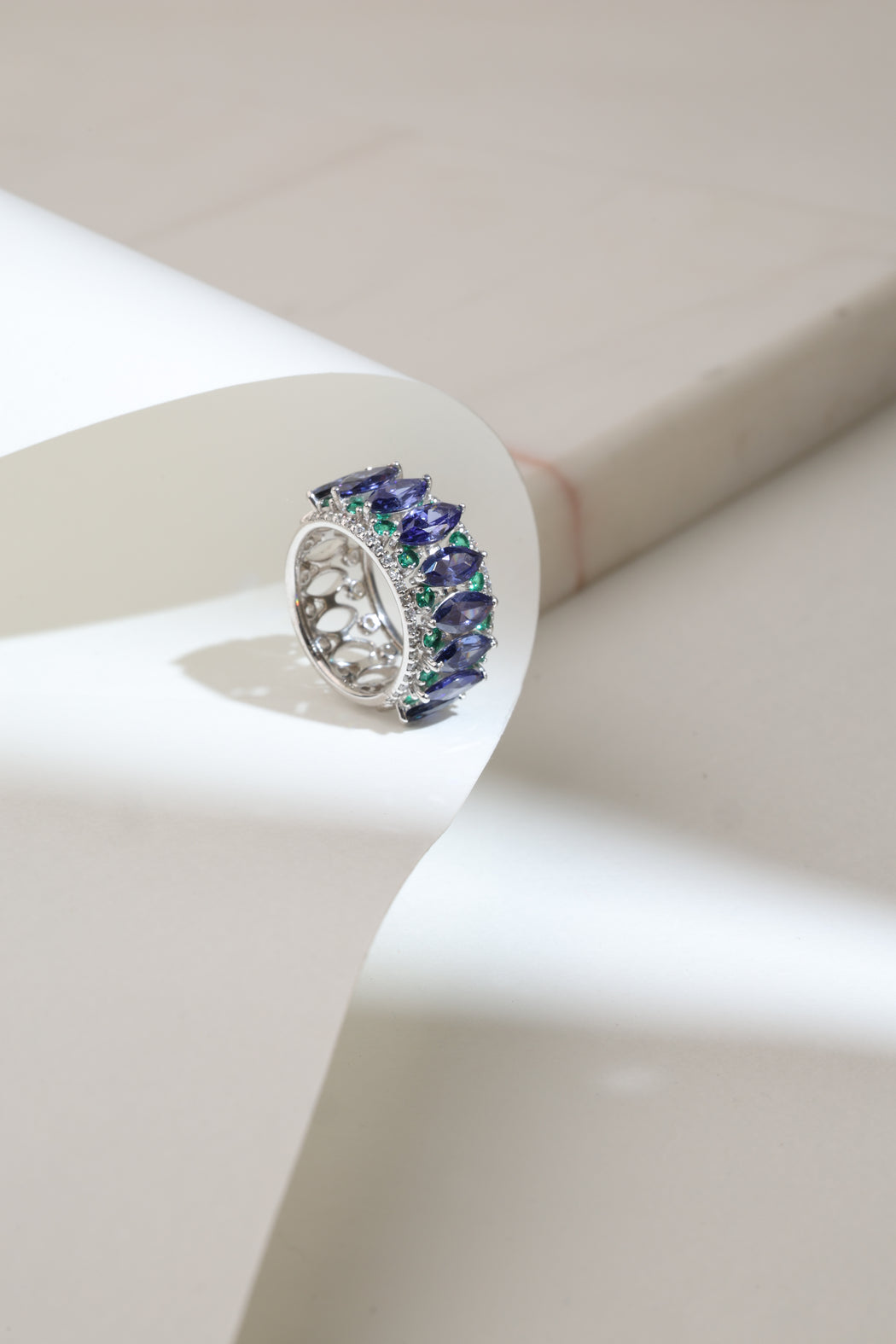
The metal you select is one of the most important factors affecting bespoke jewellery costs. Gold, platinum, and silver have different material values, while gold jewellery prices vary according to purity and weight.
Common gold options include:
- 14K gold: Often chosen for contemporary designs where durability and budget are important considerations.
- 18K gold: A popular option for fine jewellery featuring diamonds and coloured gemstones.
- 22K gold: Often preferred for traditional gold jewellery and selected bridal designs.
- Platinum: An alternative precious metal with its own material cost and manufacturing requirements.
The weight of the metal also affects the price. A heavier gold necklace will generally cost more in materials than a lightweight design made using the same gold purity.
To manage costs, ask whether the design can be made lighter without compromising its strength, appearance, or intended use.
For inspiration, explore ASTU's custom rings, where you can consider different approaches to personalised ring design.
2. Diamond Quality and Gemstone Selection
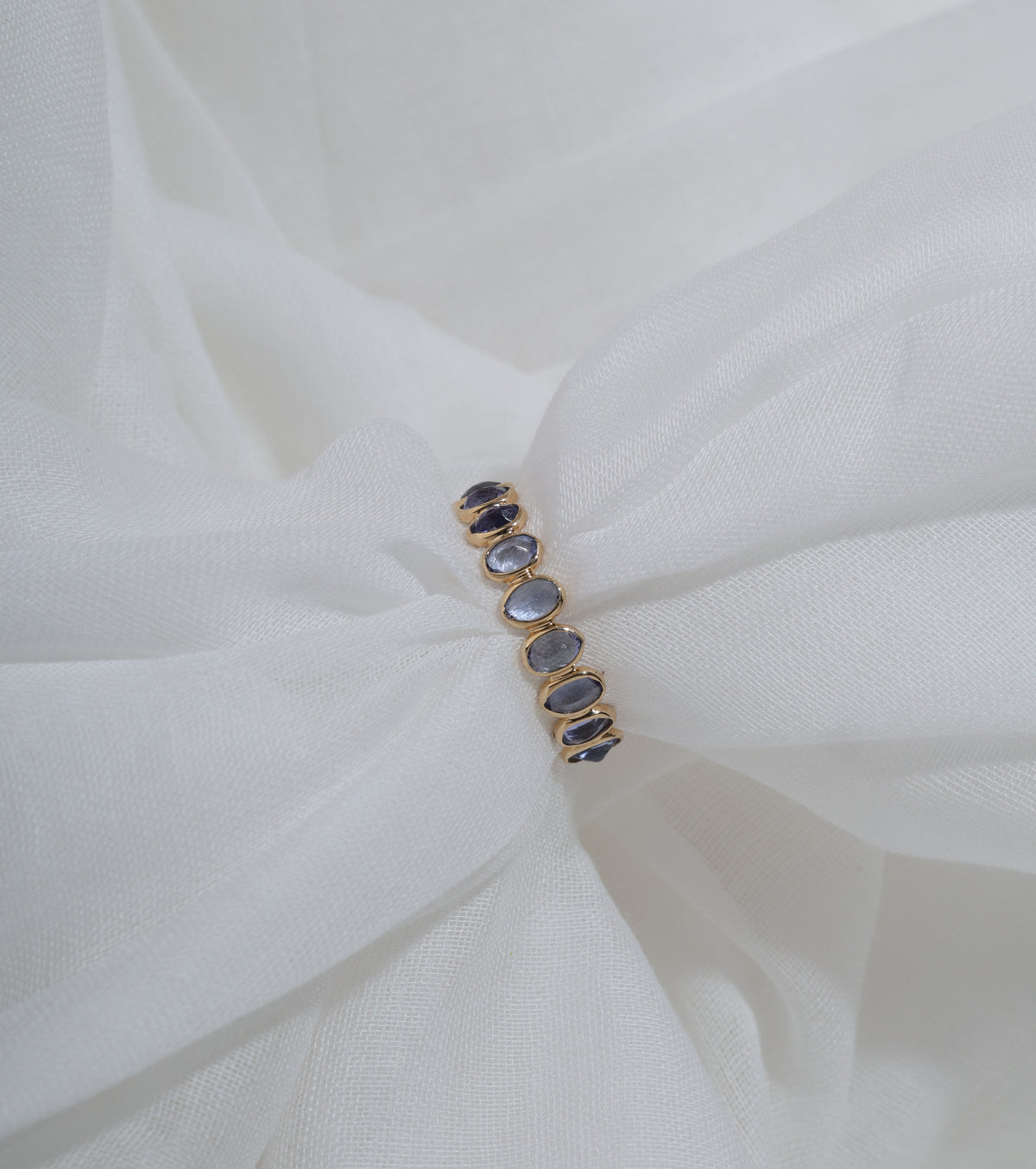
Diamonds and coloured gemstones can account for a significant portion of the total price.
Diamond pricing is influenced by the four Cs: cut, colour, clarity, and carat weight. The number of stones, their sizes, and their settings also matter. Coloured gemstones such as emeralds, rubies, sapphires, amethysts, aquamarines, and tourmalines have their own pricing considerations, including colour, quality, treatment, and availability.
Your choice between natural and lab-grown diamonds can also affect the cost. Both can be used in bespoke jewellery, but their pricing and resale considerations differ.
If you want to keep your budget under control, consider:
- Choosing a smaller centre diamond.
- Using smaller accent stones instead of numerous large stones.
- Exploring coloured gemstones for a distinctive design.
- Comparing natural and lab-grown diamond options.
- Prioritising the stone characteristics that matter most to you.
ASTU states that its custom jewellery options include natural and lab-grown diamonds, with diamond specifications and gold purity tailored to customer preferences.
Explore ASTU's personalised custom engagement rings for ideas on creating a ring around your preferred stones and setting.
3. Design Complexity and Level of Customisation
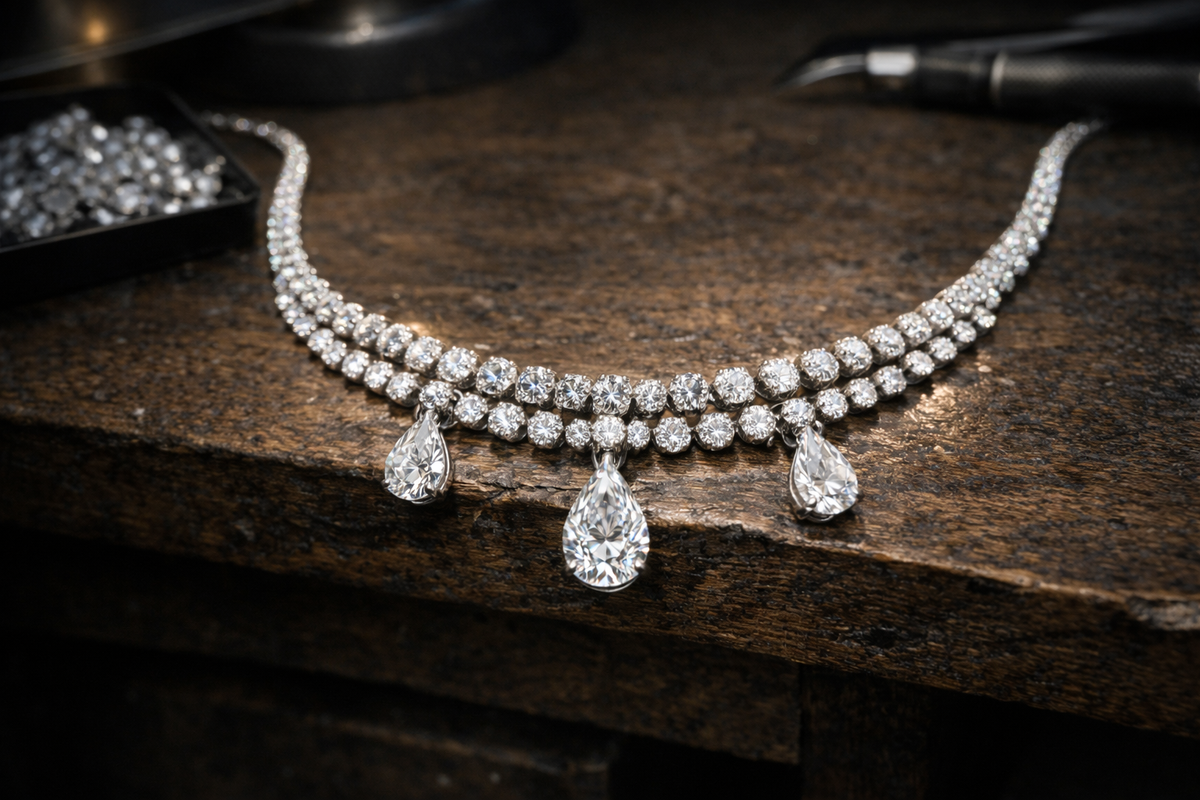
A simple pendant with a clean silhouette generally requires less manufacturing work than an elaborate necklace with intricate detailing and multiple gemstone settings.
Bespoke jewellery may involve design sketches, digital 3D renders, wax models, casting, stone setting, polishing, and finishing. More intricate designs may require additional time, specialist skills, and revisions.
Features that can increase the price include:
- Intricate floral or geometric patterns.
- Multiple gemstone settings.
- Detailed engraving and personalised motifs.
- Unusual shapes or specialised settings.
- Multi-layered necklaces or complex bracelet designs.
- Additional design revisions after the initial approval.
Customisation does not automatically make jewellery expensive. A simple personalised pendant can be relatively straightforward to create, while a visually similar piece with elaborate diamond detailing may require considerably more work.
At ASTU, the custom design process includes developing concepts and reviewing 3D renders before the jewellery is crafted. Explore the custom jewellery design service to learn more about this process.
4. Craftsmanship and Making Charges
Making charges cover the work involved in transforming raw materials into finished jewellery. These can vary according to the complexity of the design, artisan expertise, production method, and finishing requirements.
For example, a plain gold band may require less specialised work than a diamond ring with several stones set closely together. A bespoke bridal necklace may require even more detailed craftsmanship.
Jewellers may calculate making charges as a percentage of the metal value, a rate per gram, a fixed fee, or a project-based amount.
When comparing quotations, ask for a clear breakdown of:
- Precious-metal value.
- Diamond and gemstone costs.
- Making charges.
- Design or additional service charges, if applicable.
- Applicable taxes.
Do not judge a quotation solely by the making-charge percentage. A lower rate does not necessarily mean a lower final cost if the metal weight, stone quality, or other charges differ.
5. Personalisation and Special Features
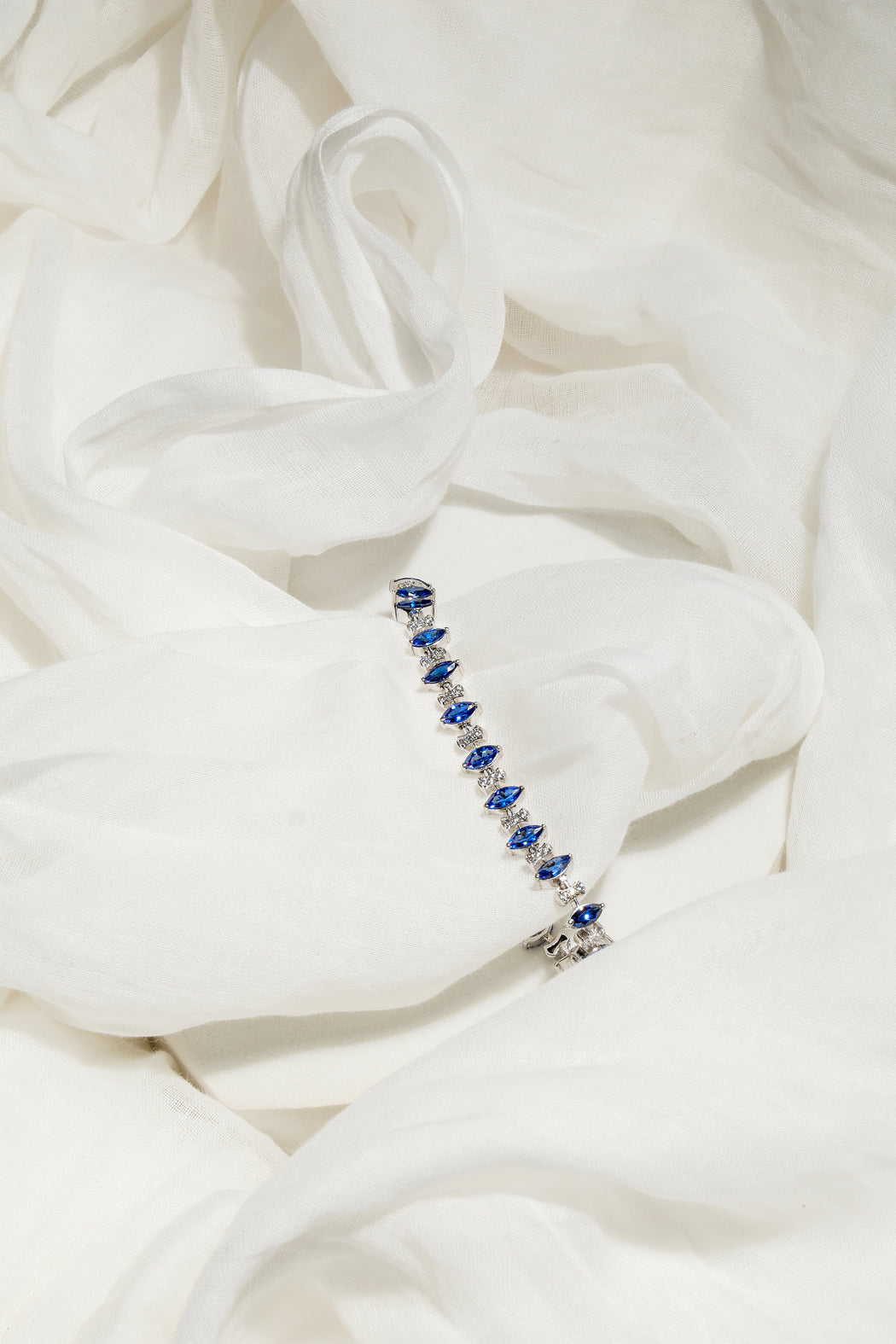
Personal details can make bespoke jewellery more meaningful, but additional features may also affect the price.
Examples include engraving initials or dates, adding birthstones, incorporating a symbolic motif, creating matching jewellery pieces, or redesigning an existing ornament.
The cost depends on the complexity of the requested feature and whether it requires extra materials or labour.
For instance, a simple engraved pendant may require relatively little additional work, while a necklace incorporating several gemstones and a detailed personalised design may cost considerably more.
If you want a piece with personal significance, explore ASTU's custom necklace collection or personalised custom bracelets for women.
6. Jewellery Size, Weight, and Stone Setting
The overall dimensions of a piece influence the materials required and the work involved in making it. Larger designs may need more metal, additional stones, and stronger construction.
Stone-setting techniques also affect manufacturing requirements. A straightforward setting may be less labour-intensive than a design requiring many small stones to be placed precisely.
If your priority is a particular appearance rather than maximum size, you can discuss alternative design approaches with your jeweller.
For example, a carefully proportioned ring may achieve the look you want without using an unnecessarily large amount of metal. Similarly, a lightweight necklace with a distinctive pendant may provide a more practical alternative to a heavier design.
For traditional and occasionwear inspiration, browse ASTU's customised bangles or bridal jewellery sets.
7. GST and Other Applicable Charges
The final amount payable may include GST and other disclosed charges, depending on the transaction.
According to the Government of India's CBIC guidance, jewellery sold to the end consumer generally attracts GST at 3% of the total transaction value, including where making charges are shown separately.
Ask your jeweller to clarify the tax treatment and show the final payable amount in the quotation or invoice. Also confirm whether the quoted price includes any applicable hallmarking or other service charges.
For gold jewellery, check the declared purity and relevant hallmark details. For diamonds and gemstones, ask what grading reports or certificates are provided.
A transparent quotation makes it easier to compare options and understand exactly what you are paying for.
Example: How Is the Price of Bespoke Jewellery Calculated?
Consider an illustrative bespoke gold and diamond ring. Its price may be broken down as follows:
|
Cost component |
Illustrative amount |
|
Gold value |
₹20,000 |
|
Diamond cost |
₹12,000 |
|
Making charges |
₹5,000 |
|
Subtotal |
₹37,000 |
|
GST at an illustrative 3% |
₹1,110 |
|
Estimated total |
₹38,110 |
These figures are examples only, not a live market estimate or an ASTU Jewellery quotation. The actual cost depends on the current metal rate, stone specifications, and the agreed design. The tax calculation assumes 3% applies to the entire subtotal.
This example demonstrates why it is important to compare the complete quotation rather than focusing only on the gold price or making charges.
How to Get the Best Value When Buying Bespoke Jewellery
You do not need to choose the most expensive materials or the most elaborate design to create a beautiful piece. A few practical decisions can help you balance your preferences and budget.
Set Your Budget Before Finalising the Design
Tell your jeweller your maximum budget, including making charges and taxes. This allows the design discussion to focus on options you can realistically afford.
Prioritise the Details That Matter Most
Decide whether the most important feature is the centre stone, metal, overall design, or personalisation. Spend on those priorities rather than adding details you do not need.
Compare Different Material Options
Ask about different gold purities, diamond specifications, and gemstone alternatives. Understand the differences in appearance, durability, and value before choosing.
Review the Design Before Production
Ask to see the proposed design and confirm the dimensions, stone placement, metal choice, and overall appearance. Clarify whether further revisions will involve additional charges.
Check Delivery and After-Sales Policies
Ask about the expected production time, resizing, repairs, maintenance, and return or exchange terms. Custom pieces may have different policies from ready-made jewellery.
For further details, read ASTU's bespoke jewellery guide and review its frequently asked questions before placing an order.
Frequently Asked Questions About Bespoke Jewellery Costs
1. How much does bespoke jewellery cost in India?
The price depends on the type of jewellery, metal purity, weight, gemstone quality, design complexity, and craftsmanship. ASTU lists bespoke engagement rings from ₹25,000 to ₹2,00,000, depending on the selected specifications. Other bespoke pieces may cost less or substantially more. Request a design-specific quotation for an accurate estimate.
2. Is bespoke jewellery more expensive than ready-made jewellery?
Not always. Complex bespoke designs may involve additional design work and manufacturing costs, but simpler pieces can be comparable to ready-made alternatives. The best comparison considers the materials, stone specifications, craftsmanship, and final payable amount.
3. Can I get bespoke jewellery made within a fixed budget?
Yes, depending on the design. You can discuss lighter construction, different gold purities, smaller diamonds, alternative gemstones, and simpler settings. Agree on the budget before approving the final design.
4. Does bespoke jewellery include making charges?
Making charges are generally part of the overall price calculation, but how they are presented varies by jeweller. Ask for an itemised quotation that identifies the metal value, gemstone costs, making charges, additional fees, and applicable taxes.
5. How long does bespoke jewellery take to make?
The timeline depends on the design, material availability, gemstone sourcing, and approval process. ASTU states that its custom designs can be delivered in as little as one month, although the actual timeline depends on the individual piece. Confirm your estimated delivery date before ordering.
6. Can I choose between natural and lab-grown diamonds?
Some jewellers offer both options. The choice can affect the total price, and the stones differ in origin and market resale considerations. Ask about the specifications, grading documentation, and price difference for your design.
7. Is bespoke jewellery a good investment?
Bespoke jewellery can be valuable as a personal or sentimental purchase, but a custom design does not automatically appreciate in monetary value. Resale depends on factors such as metal value, gemstone characteristics, condition, and market demand.
8. Can old gold be used to create bespoke jewellery?
Some jewellers accept old gold for redesign or reuse. The process and valuation depend on the gold's purity, weight, condition, and the new design requirements. ASTU states that it accepts old gold in person at its store, so contact the brand to confirm the current process and terms.
9. What should I check before paying for bespoke jewellery?
Confirm the approved design, metal purity, gemstone specifications, estimated weight, itemised quotation, taxes, delivery timeline, and policies for revisions, repairs, resizing, and returns. Request relevant documentation for the precious materials used.