

How Much Does Custom Jewellery Cost in India? 7 Factors That Affect the Price
Custom jewellery allows you to create a piece that reflects your personal style, preferred gemstones, and budget. Whether you want a personalised diamond ring, a bespoke gold necklace, customised bridal bangles, or everyday gemstone jewellery, the final cost depends on several factors.
Unlike ready-made jewellery, custom jewellery prices in India are influenced by your choice of metal, gemstone quality, design complexity, craftsmanship, and personalisation requirements. This flexibility means you can often adjust the design to suit your budget without compromising on the overall look.
In this guide, we explore seven important factors that affect custom jewellery costs in India, explain how to plan your budget, and share practical tips to help you make an informed purchase.
What Is the Average Cost of Custom Jewellery in India?
There is no single price for custom jewellery because every design has different material and manufacturing requirements. A simple gold pendant and a diamond bridal necklace, for example, can have significantly different costs.
The following table provides broad, illustrative budget ranges to help you start planning. These are not fixed market quotations; actual prices depend on current gold rates, gemstone specifications, weight, design, and the jeweller's pricing structure.
|
Type of custom jewellery |
Illustrative budget range |
|
Simple personalised gold pendant |
₹10,000–₹30,000 |
|
Minimal gold earrings |
₹10,000–₹40,000 |
|
Custom gold ring |
₹15,000–₹50,000 |
|
Gold and diamond bracelet |
₹25,000–₹1,00,000+ |
|
Custom diamond engagement ring |
₹30,000–₹2,00,000+ |
|
Bespoke gold necklace |
₹30,000–₹1,50,000+ |
|
Custom bridal jewellery set |
₹75,000–₹5,00,000+ |
These ranges are indicative planning estimates, not verified live prices or ASTU Jewellery quotations. Premium gemstones, larger diamonds, heavier gold designs, and intricate craftsmanship can increase the final cost substantially.
For inspiration, explore ASTU Jewellery's complete jewellery collection or learn about its custom jewellery design service to understand the possibilities of creating a piece around your preferences.
7 Factors That Affect the Cost of Custom Jewellery in India
1. Type and Purity of Metal
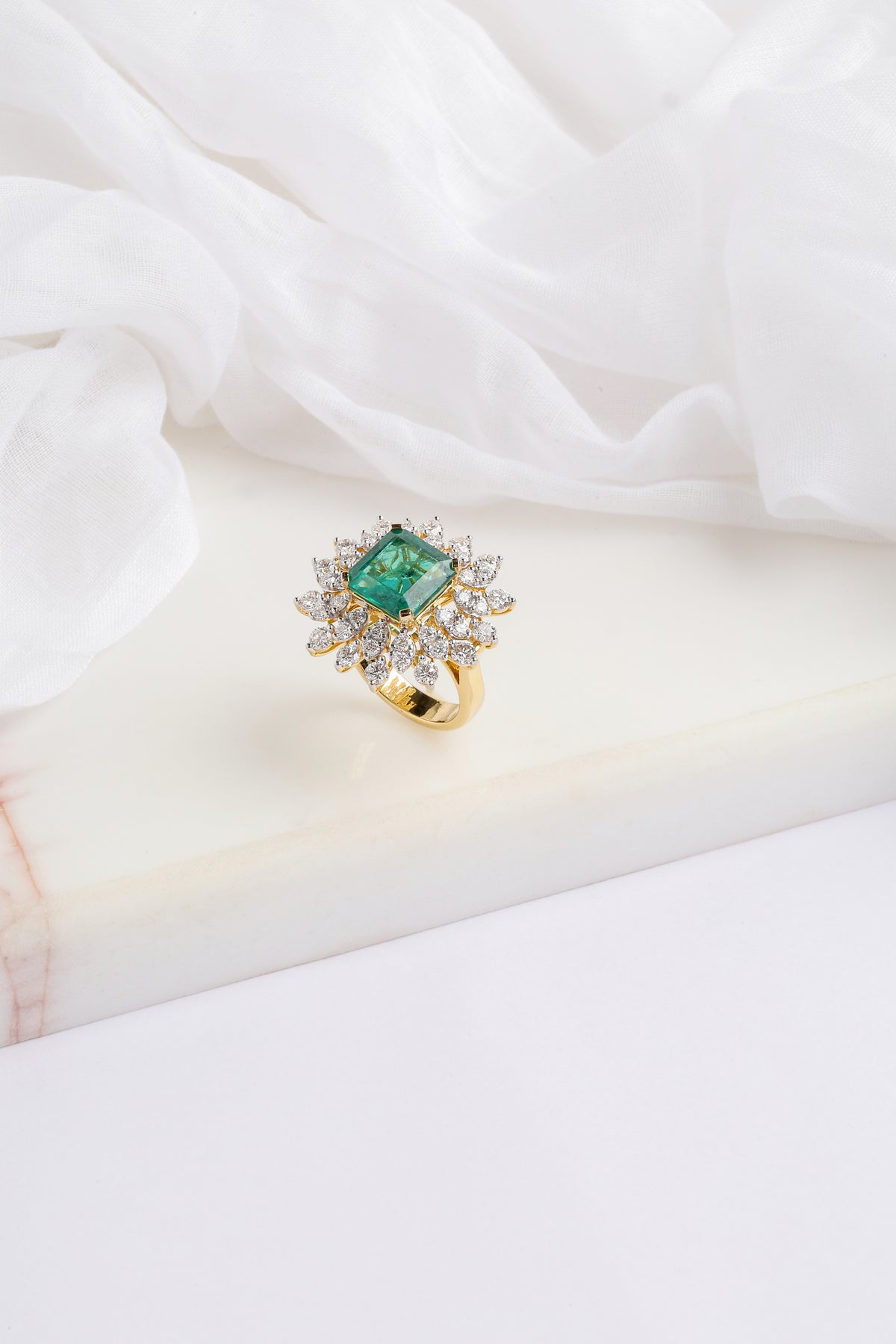
The metal you choose is one of the biggest factors affecting the price of custom jewellery. Gold, platinum, and silver have different material costs, while gold jewellery prices also depend on purity and weight.
Gold is commonly available in different karats, including 14K, 18K, and 22K. Higher-karat gold contains a greater proportion of pure gold, which generally increases the metal value for an equivalent weight.
- 14K gold: A practical option for many contemporary jewellery designs.
- 18K gold: A popular choice for fine jewellery featuring diamonds and coloured gemstones.
- 22K gold: Often preferred for traditional gold jewellery and certain bridal designs.
- Platinum or silver: Alternatives for buyers who prefer a different metal, look, or budget.
For example, an intricate 18K gold ring may cost more than a simple ring made with a lighter metal design. The final difference depends on metal rates, net weight, and construction.
If you are planning a personalised ring, explore ASTU's custom rings to discover designs that can inspire your own piece.
2. Diamond Quality and Gemstone Selection
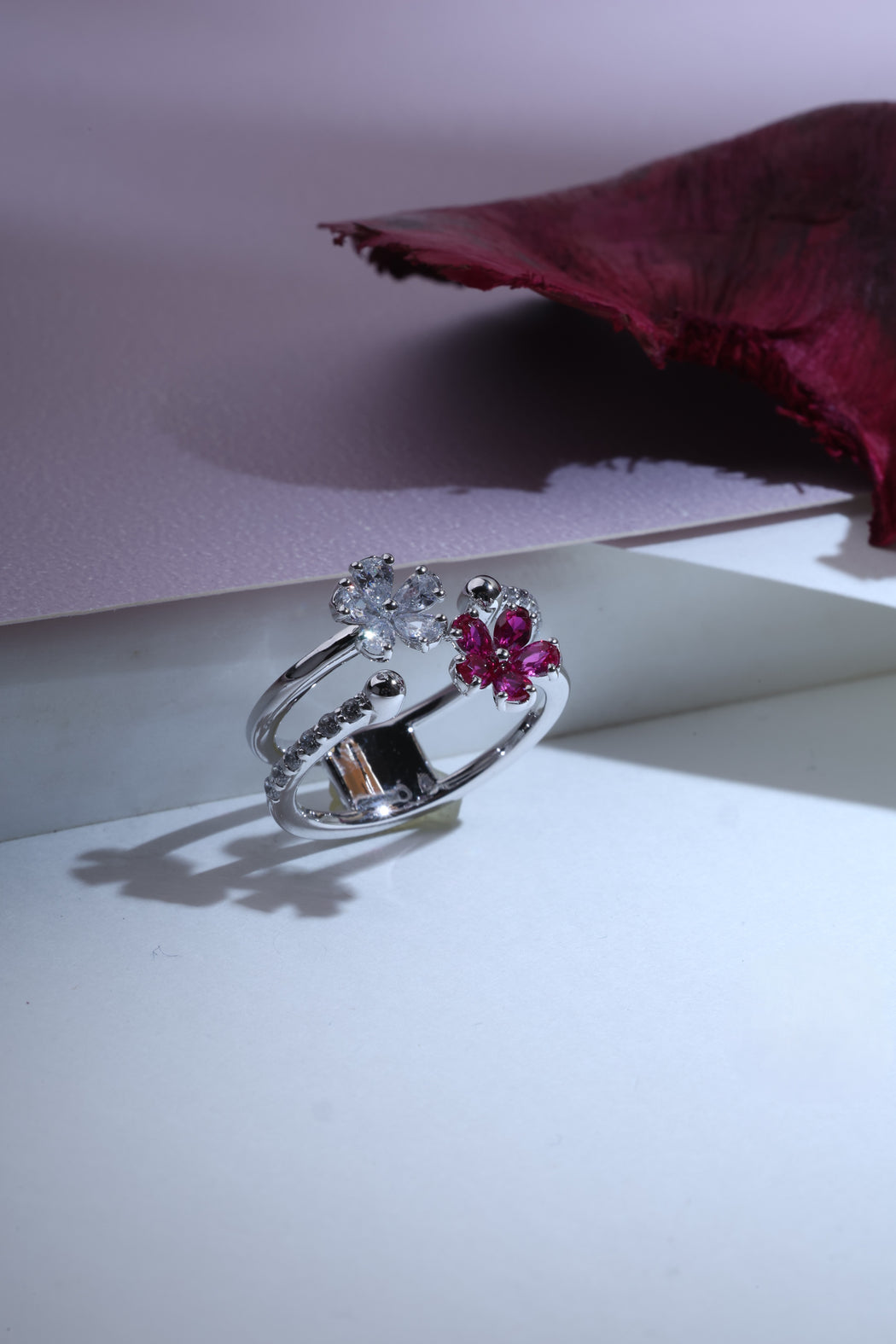
Diamonds and gemstones can significantly influence the total cost of custom jewellery. For diamonds, the four Cs—cut, colour, clarity, and carat weight—help determine quality and value. The number of stones, their individual sizes, and how they are arranged also affect the final price.
Gemstones such as emeralds, rubies, sapphires, amethysts, aquamarines, and tanzanites have different price ranges depending on their quality, origin, colour, treatment, and availability.
Your choice between natural and lab-grown diamonds can also change the budget considerably. Both options can be used in custom designs, but their pricing and resale considerations differ.
To manage your budget, consider these options:
- Choose smaller accent diamonds instead of one large centre stone.
- Explore coloured gemstones for a distinctive design.
- Compare natural and lab-grown diamond options.
- Prioritise the stone characteristics that matter most to you.
If you are designing a personalised proposal ring, browse ASTU's personalised custom engagement rings for inspiration.
3. Design Complexity and Customisation
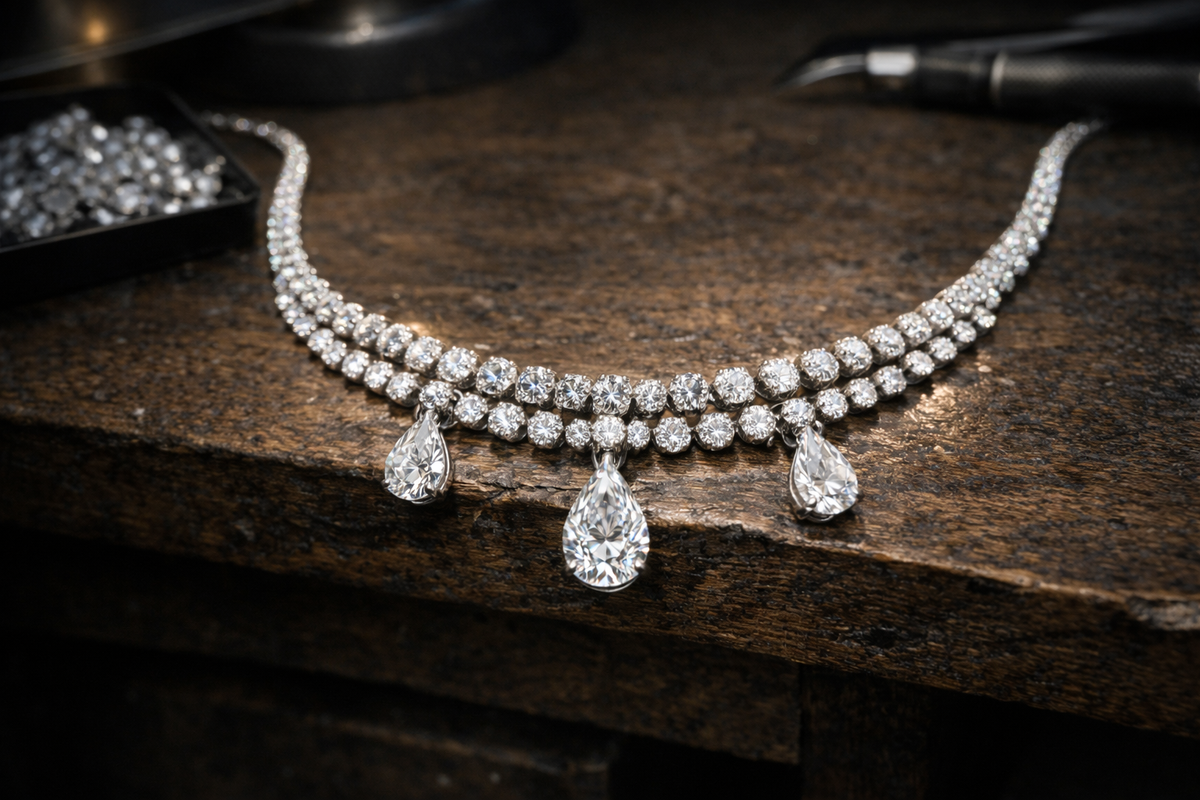
A simple design is usually less expensive to manufacture than a highly detailed piece with multiple components. Custom jewellery may require sketches, computer-aided design (CAD), three-dimensional renders, mould creation, stone setting, and several rounds of refinement.
Design details that can increase the cost include:
- Intricate floral or geometric motifs.
- Multiple layers of necklaces or bracelets.
- Hidden gemstone settings and detailed engravings.
- Closely set diamonds or complex stone arrangements.
- Unusual shapes that require specialised manufacturing.
- Personalised names, initials, dates, or symbols.
Customisation does not automatically mean a high price. A minimalist pendant engraved with initials may be relatively straightforward to create, while a similar-sized pendant with intricate diamond detailing may require considerably more work.
ASTU's custom jewellery design service is a useful starting point if you want to explore a piece tailored to your personal style.
4. Gold Weight and Overall Jewellery Size

The amount of precious metal used directly affects the material cost. Larger and heavier jewellery pieces generally require more gold or platinum than lightweight designs.
However, the overall size alone does not determine the final price. A hollow or lightweight design may use less gold than a solid piece of similar dimensions, while a delicate diamond necklace can still be expensive because of its stone quality and setting.
If you want to keep your budget under control, discuss the following with your jeweller:
- The estimated net metal weight.
- Whether the design can be made lighter without compromising durability.
- The difference between solid, hollow, and openwork construction.
- Whether the stone size can be adjusted to suit the budget.
For buyers who prefer traditional jewellery with a personalised touch, ASTU's customised bangles offer a starting point for exploring bangle styles and design possibilities.
5. Making Charges and Craftsmanship
Making charges cover the labour and manufacturing work involved in turning raw materials into finished jewellery. These charges can vary based on the design, production technique, artisan skill, finishing requirements, and jeweller's pricing model.
A simple ring may need less manufacturing time than a necklace with multiple gemstone settings or a pair of earrings with intricate detailing.
Making charges may be calculated as:
- A percentage of the metal value.
- A fixed amount per gram.
- A fixed amount for the complete piece.
- A project-based amount for specialised bespoke work.
Always ask which pricing method is being used. A lower making-charge percentage does not necessarily mean a lower final bill, because the metal weight, stone cost, and other charges may be different.
For a clearer comparison, request a written estimate that separates the metal value, gemstone cost, making charges, and applicable taxes.
6. Personalisation, Engraving, and Additional Features
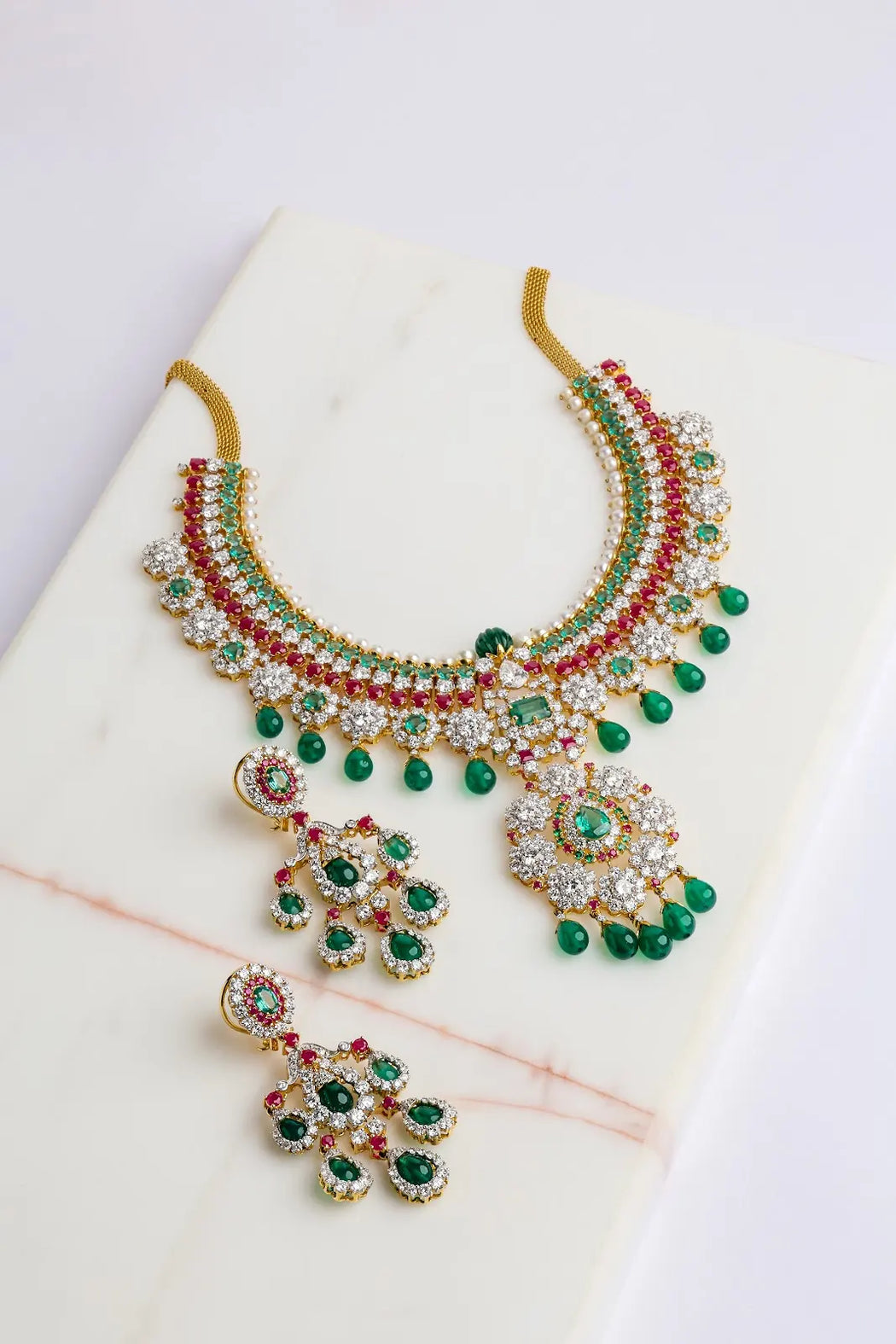
Personalised details can make jewellery more meaningful, particularly for anniversaries, weddings, engagements, and milestone celebrations. Depending on the design, however, additional features may affect the price.
Examples include:
- Engraving a name, date, or special message.
- Adding a birthstone or a meaningful coloured gemstone.
- Incorporating a family symbol or monogram.
- Redesigning an existing jewellery piece.
- Creating a matching ring, bracelet, necklace, or earring set.
The price impact depends on the complexity of the personalisation and the additional materials or labour required. Some simple details may have a limited impact, while a complete redesign can involve substantial work.
If you want jewellery that reflects a personal story, explore ASTU's custom necklace collection or personalised custom bracelets for women.
7. Taxes, Hallmarking, and Other Charges
The final price you pay may include applicable taxes and disclosed additional charges, beyond the metal, stones, and craftsmanship.
For jewellery purchases in India, check whether the quotation clearly explains:
- The metal rate and purity used in the calculation.
- Net precious-metal weight.
- Diamond and gemstone specifications.
- Making charges.
- Hallmarking or other applicable service charges.
- Applicable GST and the final payable amount.
India's official GST rate schedule lists a total GST rate of 3% for articles of jewellery under the relevant precious-metal jewellery category. Confirm the applicable treatment on your actual invoice, particularly where a transaction involves different items or services.
For gold jewellery, BIS hallmarking helps verify the declared purity or fineness. Look for the applicable hallmark details and request an itemised invoice. You can also learn more through the Bureau of Indian Standards' hallmarking FAQs.
How to Calculate the Cost of Custom Jewellery
A simple way to understand your quotation is to separate it into its main components.
Illustrative example: Custom gold and diamond ring
|
Cost component |
Example amount |
|
Gold value |
₹20,000 |
|
Diamond cost |
₹12,000 |
|
Making charges |
₹5,000 |
|
Subtotal |
₹37,000 |
|
Illustrative GST at 3% |
₹1,110 |
|
Estimated final price |
₹38,110 |
This example assumes GST is applied to the entire subtotal at 3% for illustration. It is not a quotation from ASTU Jewellery, and actual invoices may vary depending on the transaction and applicable tax treatment.
The important point is to compare the complete price—not just the gold rate or making charges. Two rings that look similar may have different costs because of differences in diamond specifications, metal weight, and manufacturing requirements.
How to Get Custom Jewellery Within Your Budget
You do not need to choose the most expensive materials or the most complicated design to create a beautiful piece. A clear budget and a few thoughtful design decisions can help you achieve the right balance between appearance, quality, and cost.
Set a Realistic Budget Before Designing
Decide your maximum spend before finalising the design. Tell the jeweller whether your budget includes making charges and taxes so that the estimate reflects the total amount you can spend.
Choose One Main Feature
A ring with a distinctive centre stone or a necklace with a unique pendant can look luxurious without requiring elaborate detailing throughout the entire piece.
Compare Gemstone Options
If diamonds are beyond your preferred budget, consider smaller stones, a different carat weight, or coloured gemstones that suit your desired aesthetic.
Keep the Design Practical
Jewellery intended for daily wear should balance appearance, comfort, and durability. Avoid unnecessary complexity if it does not contribute to the look or function you want.
Request a Detailed Quote
Ask for the proposed design, metal purity, estimated weight, stone specifications, making charges, delivery timeline, and applicable taxes in writing before approving production.
Understand the Custom Order Policy
Before confirming your order, check the jeweller's policies for deposits, design revisions, cancellations, resizing, repairs, and returns. Custom pieces may be subject to different terms from ready-made jewellery.
For more information, visit ASTU Jewellery's FAQ page before beginning your custom design journey.
Why Choose Custom Jewellery Instead of Ready-Made Designs?
Custom jewellery is particularly appealing when you want a design that matches your style, fits a specific occasion, or carries personal meaning. Rather than choosing only from available designs, you can discuss the metal, gemstones, proportions, and details that matter most to you.
|
Custom jewellery |
Ready-made jewellery |
|
Designed around your preferences |
Selected from available designs |
|
More flexibility in material and stone choices |
Choices depend on existing stock |
|
Personal details can be incorporated |
Personalisation may be limited |
|
Production may require additional time |
Often available for immediate purchase |
|
Price depends on the approved specifications |
Price is usually displayed upfront |
Neither option is automatically better for everyone. Ready-made jewellery may be suitable when you need something quickly, while custom jewellery can be worthwhile when personalisation and design flexibility are priorities.
Explore ASTU's bridal sets for occasion wear or bespoke custom wedding rings for ideas that can be adapted to your preferences.
Frequently Asked Questions
1. How much does custom jewellery cost in India?
The price varies according to the type of jewellery, metal purity, weight, gemstone quality, design complexity, and making charges. A simple personalised piece may cost tens of thousands of rupees, while intricate diamond jewellery or bridal sets can cost several lakhs. Request a detailed quotation for an accurate estimate.
2. Is custom jewellery more expensive than ready-made jewellery?
Not always. A simple custom design can be comparable in price to a ready-made piece, but intricate designs may require additional labour, specialised settings, and more production time. The total depends on the materials and craftsmanship involved.
3. What is the most important factor affecting custom jewellery prices?
The biggest factor depends on the design. Gold weight and purity can significantly affect gold jewellery prices, while diamond quality, carat weight, and gemstone selection may account for a substantial share of the cost of diamond jewellery.
4. Can I customise jewellery on a limited budget?
Yes. You can discuss lighter metal construction, a simpler design, smaller diamonds, or alternative gemstones. Choosing one distinctive design feature instead of multiple elaborate details can also help keep costs under control.
5. Does custom jewellery include making charges and GST?
Making charges are generally part of the overall pricing calculation, but the way they are presented varies by jeweller. Applicable GST and any additional charges should be clearly explained in the quotation or invoice. Always confirm the final payable amount before placing your order.
6. Is 14K or 18K gold better for custom jewellery?
Both can be suitable. The right choice depends on your design, budget, intended use, and preferences. Discuss the gold purity and durability requirements with your jeweller, particularly if the piece will be worn every day or hold diamonds and gemstones.
7. How long does it take to make custom jewellery?
Production time depends on design complexity, material availability, gemstone sourcing, approval of design revisions, and manufacturing requirements. Ask for an estimated completion date before confirming your order, especially if the jewellery is for a wedding, engagement, or special event.
8. Can I redesign old gold jewellery into a custom piece?
Some jewellers offer redesign services that transform existing jewellery into a new design. Whether your old gold or gemstones can be reused depends on their condition, purity, design requirements, and the jeweller's policies. Ask how the existing materials will be valued and whether any additional metal or stones will be required.